
Nutrition and Recipes: How to Eat for a Long, Healthy Life
The science of eating well is more settled than the diet wars suggest: mostly whole foods, plenty of plants, enough protein and fibre. Here's what the evidence supports — and how to turn it into real recipes and a real week you can sustain.
Nutrition is the most argued-about topic in health and, paradoxically, one of the most settled at its core. Strip away the fad-diet noise and the science converges on a short, boring, powerful list: eat mostly whole foods, plenty of plants, enough protein and fibre, and not too much of the ultra-processed stuff. The hard part was never knowing what to eat — it is turning that knowledge into meals you actually cook and repeat.
This article covers what the evidence genuinely supports about eating for a long, healthy life, how to translate it into real recipes and a real week, and how tracking what you eat — without turning it into an obsession — makes the good pattern easier to hold. The aim is a way of eating you can sustain, not a diet you endure.
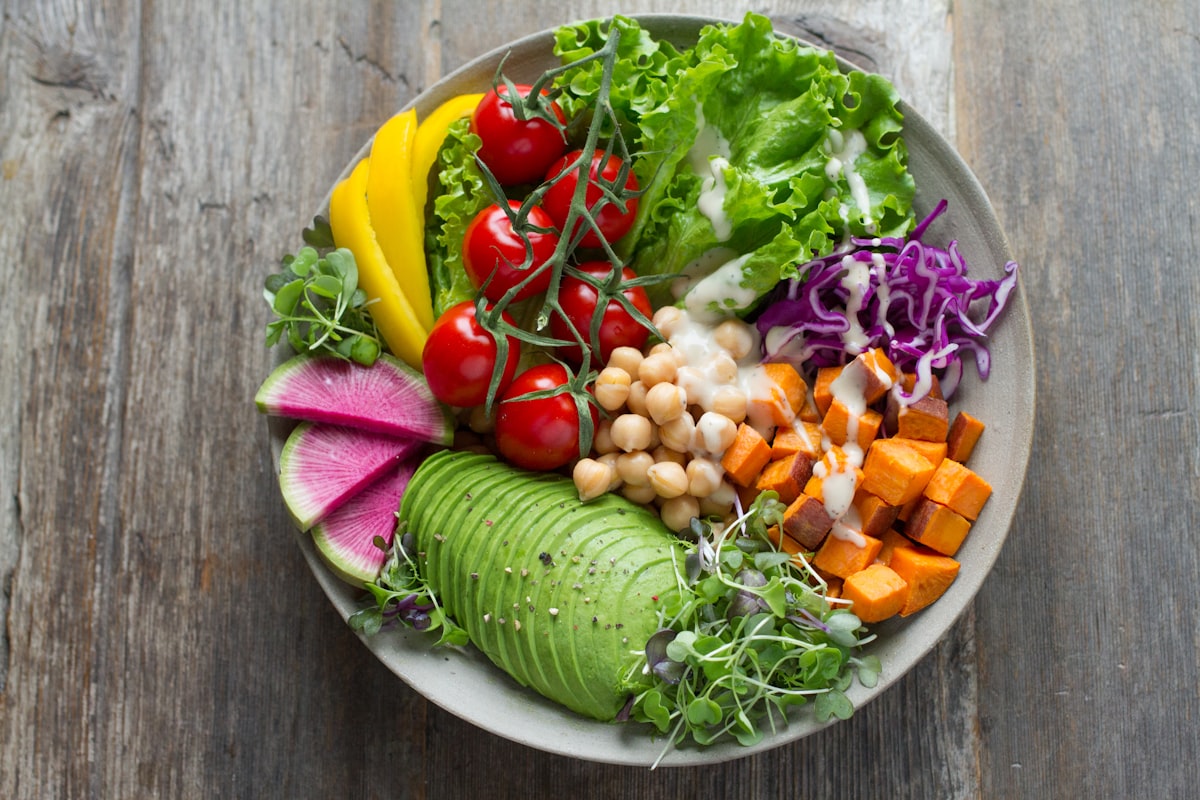
The Dietary Pattern With the Strongest Evidence
When researchers test whole ways of eating rather than single nutrients, one pattern keeps winning: a Mediterranean-style diet rich in vegetables, fruit, legumes, whole grains, nuts, olive oil, and fish. In the landmark PREDIMED randomised trial, people assigned to a Mediterranean diet supplemented with extra-virgin olive oil or nuts had roughly 30% fewer major cardiovascular events than those told simply to eat low-fat.
Estruch, R. et al. (2018). “Primary Prevention of Cardiovascular Disease with a Mediterranean Diet Supplemented with Extra-Virgin Olive Oil or Nuts.” New England Journal of Medicine, 378, e34.
The point is not the label — it is the shape. Meals built around plants, whole grains, legumes, healthy fats, and modest amounts of quality protein, with minimal ultra-processed food. That shape is flexible enough to fit almost any cuisine or preference, which is exactly why it is sustainable.
Plants and Fibre Do the Heavy Lifting

Two of the most reliable findings in nutrition are about eating more, not less. A large meta-analysis found that higher fruit and vegetable intake was associated with progressively lower risk of cardiovascular disease, cancer, and early death, with benefits climbing up to about ten portions a day.
Aune, D. et al. (2017). “Fruit and vegetable intake and the risk of cardiovascular disease, total cancer and all-cause mortality: a systematic review and dose-response meta-analysis.” International Journal of Epidemiology, 46(3), 1029–1056.
Fibre is the quiet hero of that story. A series of systematic reviews commissioned by the WHO found that people eating the most dietary fibre had significantly lower rates of heart disease, type 2 diabetes, colorectal cancer, and death — and that most of us eat far too little of it. Whole grains, legumes, vegetables, fruit, and nuts are how you fix that.
Reynolds, A. et al. (2019). “Carbohydrate quality and human health: a series of systematic reviews and meta-analyses.” The Lancet, 393(10170), 434–445.
Enough Protein, Spread Through the Day
Protein deserves particular attention as you age. It preserves muscle — which underpins strength, metabolism, and independence later in life — and it is the most satiating macronutrient, which helps regulate appetite. Most people benefit from including a solid source of protein at each meal: legumes, fish, eggs, dairy, poultry, tofu, or lean meat. Spreading it across the day supports muscle better than loading it all into dinner.
Turning the Science Into Recipes You’ll Repeat

A healthy pattern only helps if it survives contact with a Tuesday evening. The trick is to make the good choice the easy one by building a small rotation of meals that already fit the shape above.
- Cook from a template, not a cookbook. A reliable formula — a whole grain or legume, a big pile of vegetables, a protein, and a flavourful fat like olive oil or nuts — produces endless variations without decision fatigue. A grain bowl, a stir-fry, and a traybake will carry most weeks.
- Batch the boring parts. Cook grains and legumes in bulk, roast a tray of vegetables, and assembly becomes minutes. Friction is what kills good intentions; remove it in advance.
- Know your numbers without obsessing. You do not need to weigh everything, but having a rough sense of a recipe’s calories, protein, and fibre helps you build meals that keep you full and hit your protein target.
- Shop from a list tied to your recipes. A week of meals decided in advance, turned into a single shopping list, is the difference between eating your plan and ordering takeaway at 8pm.
Where Logging Makes Healthy Eating Easier
Tracking food has a reputation for being tedious, so Lamplit is built to make it fast. You can log a meal by snapping a photo and letting AI estimate the nutrition, by scanning a barcode to pull a product straight from the food database, or by scanning an ingredients label. Building a recipe? The composer will estimate the per-serving calories and macros for you, and turn what you need into a shopping list — so planning, cooking, and buying all connect.
The payoff is the pattern you can only see over time. Genie — an AI coach grounded in peer-reviewed research — watches your nutrition alongside your sleep, energy, mood, and training, and surfaces plain-language, cited connections: the higher-fibre days that steady your afternoons, the late heavy meals that cost you sleep, the weeks your protein actually hit the mark. Logging stops being data entry and becomes a mirror you can learn from.
Important Caveats
There is no single best diet for everyone. Health conditions, medications, allergies, culture, and personal preference all shape what works, and specific medical situations — kidney disease, diabetes, pregnancy, eating disorders — call for individual guidance from a doctor or registered dietitian rather than general advice. Food tracking is a useful tool, but for anyone with a history of disordered eating it can do more harm than good; if logging makes your relationship with food worse, the right move is to stop. Aim for a sustainable pattern, not perfection.
The Bottom Line
Eating for a long, healthy life is not complicated: a Mediterranean-style pattern built on plants, whole grains, legumes, healthy fats, and enough protein, with fibre doing much of the quiet work. Turn it into a small rotation of template meals you can cook on autopilot, plan and shop ahead, and track loosely enough to learn from without obsessing. Do that, and the healthiest choice becomes the default one.
Frequently asked questions
What is the healthiest way to eat for longevity?
When researchers test whole dietary patterns, a Mediterranean-style diet keeps winning: vegetables, fruit, legumes, whole grains, nuts, olive oil, and fish, with minimal ultra-processed food. In the PREDIMED trial it cut major cardiovascular events by about 30%. The specific label matters less than the shape: plant-forward, whole-food, and rich in healthy fats and fibre.
How much protein and fibre do I need?
Most people benefit from a solid protein source at each meal to preserve muscle and stay full, spread across the day rather than loaded into dinner. Fibre is where most people fall short: higher intake is linked to lower rates of heart disease, diabetes, and death, so build meals around whole grains, legumes, vegetables, fruit, and nuts.
Do I have to track everything I eat?
No. Precise tracking is not necessary and can be counterproductive for some people. A rough sense of a recipe's calories, protein, and fibre is enough to build meals that keep you full and hit your protein target. If logging ever worsens your relationship with food, it is better to stop.
Related Articles

Protein and Longevity: How Much You Really Need, and When
The official protein recommendation was set to prevent deficiency, not to defend your muscle as you age. Here is what the research supports instead: higher daily targets, real doses per meal, and why distribution across the day beats a protein-heavy dinner.

Intermittent Fasting: What the Science Really Says About When You Eat
Intermittent fasting collected both genuine science and plenty of hype. Here's what the evidence actually shows about time-restricted eating and metabolic health, who should be cautious, and how to test whether it works for you.

The Longevity Blueprint: Evidence-Based Habits for a Longer, Healthier Life
From Blue Zones to telomere research, the science of longevity has moved from speculation to actionable data. Build your personal longevity stack with these evidence-based habits.
Lamplit Team
We're a team of wellness enthusiasts, developers, and researchers building tools to help people live healthier, more intentional lives. Every article we write is grounded in peer-reviewed scientific research.